
What Should You Keep In-House and What Should You Outsource?
For most manufacturers, the goal isn’t to outsource as much as possible. It’s to use your people, equipment and floor space where they provide the most value. Sometimes that means making a component in-house. Other times, sending the work to a qualified manufacturing partner can free up capacity, reduce pressure on your team, or give you another source when circumstances change.
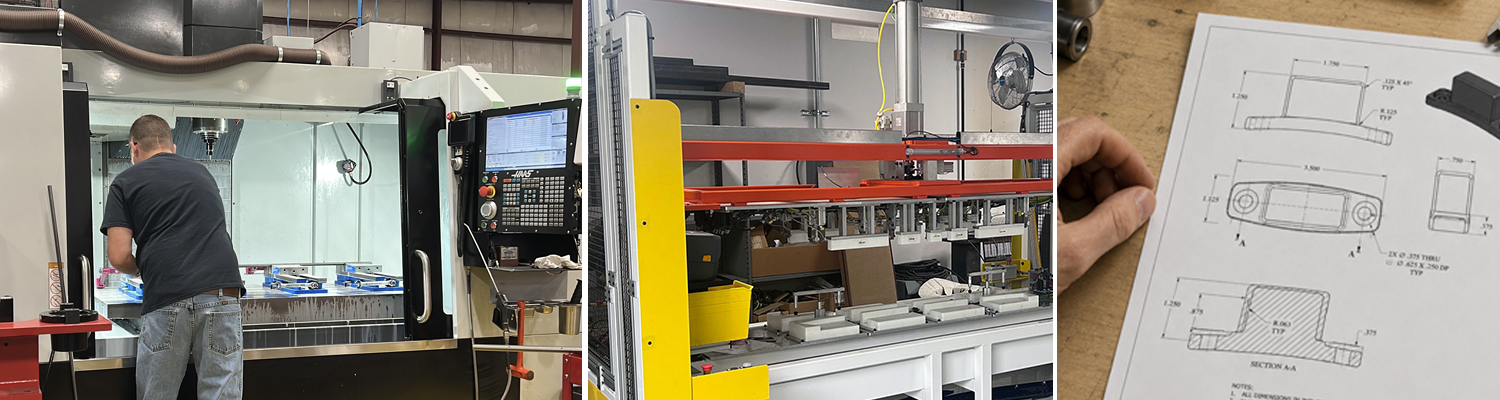
The question isn’t only, “Can we make this?” It’s also, “Is this the best use of our resources?”
Already have a part or project you’re considering outsourcing?
PDF, STEP, STP and DXF files welcome.
When Keeping It In-House Makes Sense
Some work just makes sense to keep in-house. Your team may already have the experience, you may need quick access to the parts, or it may be something you make often enough to handle yourself. If it fits your operation, keeping it in-house can be the right choice.
Three Signs It May Be Time to Look Outside
1. Your Equipment Is Becoming the Bottleneck
A machine can be perfectly capable of making a component and still be the wrong place to make it. If repeat parts, brackets, fixtures or other work are tying up equipment needed for higher-priority production, outsourcing can create capacity without adding another machine.
2. Demand Has Increased, But You Aren’t Ready to Expand
A large order, new project or temporary production surge can create more work than your current team can comfortably handle. A manufacturing partner can provide additional capacity without immediately adding employees, equipment or floor space.
3. Skilled Employees Are Spending Time on Routine Work
Experienced machinists, welders and builders are difficult to find. If they are spending significant time on repeatable work that another qualified source could handle, outsourcing selected production may allow your team to stay focused on the jobs where their experience is necessary.
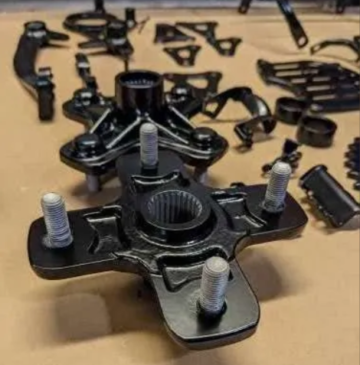
One Product Is Moving Through Too Many Vendors
Consider an assembly that requires machining, fabrication, finishing and final assembly.
Managing a different supplier for every step means more purchase orders, transportation, scheduling and communication. A contract manufacturing partner that can handle several of those operations can simplify the process and reduce the number of handoffs your team has to manage.
The Work Is Repeatable
Once drawings, specifications and quality expectations are established, repeat parts and assemblies can be strong candidates for contract manufacturing. Production might be scheduled monthly, released based on demand, or increased when your internal workload gets heavier.
You Need a Capability You Don’t Use Often
Some projects require machining, welding, finishing or assembly processes that don’t make sense to bring in-house. Working with a supplier that already has the equipment and experience can be more practical than investing in a capability you only need occasionally.
Qualify a Second Source Before You Need One
The worst time to start looking for another manufacturing source is when your schedule is already in trouble.
Having a qualified second source gives your team another option when demand increases, equipment goes down, lead times change or an unexpected project puts pressure on internal capacity.
See our Fremont facility and capabilities before you need another manufacturing source.
Qualifying a Manufacturing Partner Doesn’t Have to Start With a Large Order
Depending on the work, qualification might begin with a few simple steps:
Starting small gives both companies an opportunity to understand expectations and determine whether the relationship is a good fit before a larger production need ever arises.
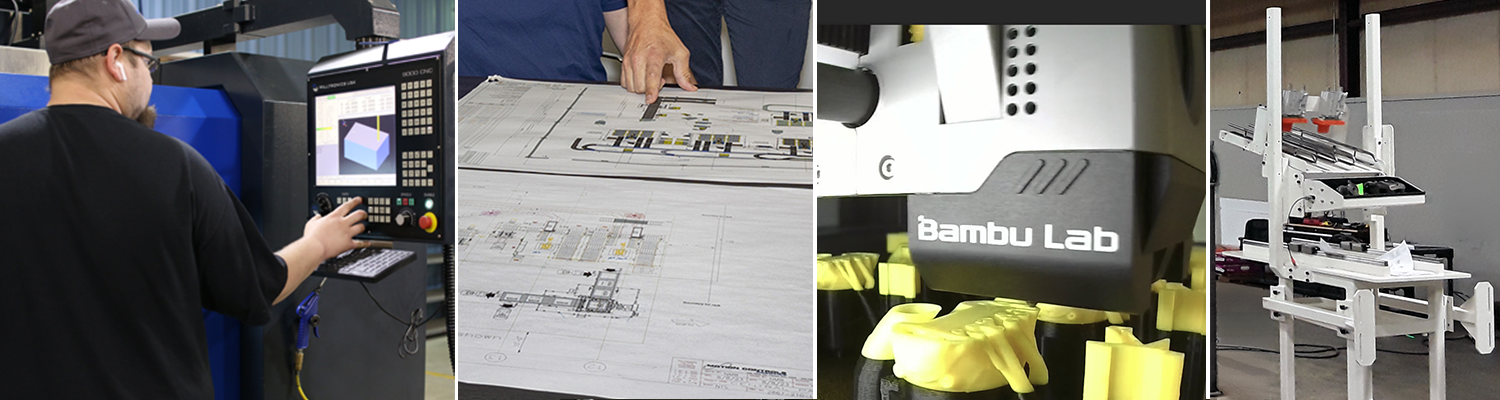
Outsourcing Doesn’t Have to Be All or Nothing
One of the biggest misconceptions about contract manufacturing is that a company has to turn over an entire product or process. It doesn’t.
✓ One machined component
✓ A welded machine frame
✓ A fixture or tooling package
✓ Build-to-print parts
✓ Powder coating and finishing
✓ Mechanical subassemblies
✓ Repeat production
✓ Complete finished assemblies
Put CEM on Your Manufacturing Resource List
You don’t have to wait until capacity is tight to start the conversation. Send us a current project to review, or visit our Fremont facility and see whether CEM could be a good fit as an additional manufacturing source.
Have drawings ready? Email your PDF, STEP, STP or DXF files along with quantity, material, finish and timing. Or come see our machining, fabrication, finishing and assembly capabilities firsthand.